
pattern glass types
Understanding the Pricing of a 3% 204 Inch Gate Valve Gate valves are critical components in various industrial applications, including water treatment, oil and gas, and chemical processing. Among these, the 3% 204 inch gate valve stands out due to its specific design and functionality, which cater to particular needs in fluid control systems. In this article, we will explore the pricing of the 3% 204 inch gate valve, factors influencing its cost, and its role in industrial applications. What is a 3% 204 Inch Gate Valve? A gate valve is a type of valve used to control the flow of fluids through a pipeline. The “3% 204 inch” designation typically refers to specific standards or measurements relevant to the valve's size and specifications. In industrial contexts, gate valves are favored for their ability to provide a tight seal and minimal fluid turbulence, making them ideal for applications where the flow is either fully on or fully off. Factors Influencing the Price of Gate Valves 1. Material Composition The materials used to manufacture a gate valve play a significant role in determining its price. Common materials include stainless steel, cast iron, bronze, and PVC. Stainless steel valves, known for their durability and resistance to corrosion, typically cost more than their cast iron counterparts. 2. Size and Specification The size of the valve directly affects its price. Larger valves require more material and often more complex manufacturing processes, which can drive up costs. The “204 inch” aspect of the valve indicates a specific dimension, which may also affect availability and pricing based on market demand. 3. Brand and Quality Different manufacturers have varying reputations, and this can significantly influence pricing. Valves from well-known brands that are recognized for their reliability and quality might come at a higher price. Consumers often opt for these products to ensure longevity and performance. 3 4 inch gate valve price 4. Market Demand Pricing can fluctuate based on market conditions. For instance, during a surge in construction or industrial projects, demand for gate valves may increase, leading to a rise in prices. Conversely, during economic downturns, pricing may drop due to decreased demand. 5. Regulatory Compliance Certain gate valves need to meet specific regulatory standards depending on their application. Compliance with these regulations usually requires additional testing and certification, which can increase production costs and, consequently, the price of the valve. Average Pricing The cost of a 3% 204 inch gate valve can vary widely depending on the factors mentioned above. As of the latest market data, prices can range from a few hundred to several thousand dollars. For instance, a basic cast iron gate valve might be priced around $200-$500, while more specialized versions made from high-grade stainless steel could range from $750 to $2,000 or more. Application in Industry The role of a 3% 204 inch gate valve extends across multiple sectors. In the oil and gas industry, these valves are essential for controlling the flow of crude oil and natural gas, where maintaining a secure seal is paramount. In water treatment plants, gate valves regulate water flow through treatment systems, ensuring efficiency and reliability in the overall process. Their ability to withstand high pressures and temperatures makes them suitable for demanding environments. Conclusion The pricing of a 3% 204 inch gate valve is influenced by various factors, including material composition, size, brand reputation, market conditions, and regulatory standards. Understanding these elements can assist businesses and consumers in making informed decisions when purchasing gate valves for their specific applications. Despite the potential costs, investing in high-quality gate valves is essential for ensuring system efficiency, reliability, and safety in any industrial operation. As industries continue to evolve, so will the demands and technologies surrounding gate valves, shaping their pricing and functionality in the future.
about
pattern glass types
The Importance of Steel Bar Caps in Building Construction In the realm of building construction, the use of steel reinforcement bars, commonly known as rebar, is critical for enhancing the strength and durability of concrete structures. However, the proper installation and protection of these steel bars are equally important to ensure the longevity and safety of a building. This is where steel bar caps come into play. The Importance of Steel Bar Caps in Building Construction Moreover, bar caps contribute to the structural quality of buildings. Concrete is designed to bear loads and resist environmental factors; however, when exposed to moisture, the steel within can corrode, leading to potential structural failures. By using bar caps, builders can help protect the rebar from water infiltration and other contaminants that may cause corrosion. This is especially significant in environments where buildings are exposed to harsh weather conditions or chemicals that can jeopardize the integrity of the steel. steel bar cap in building construction The implementation of bar caps also plays a role in achieving compliance with building codes and standards. Many local and international construction regulations require the use of protective coverings on exposed rebar to ensure safety on construction sites. Adhering to these standards not only safeguards workers but also minimizes legal risks for construction firms. In addition to their protective features, steel bar caps are available in various designs and materials, which allows for flexibility in construction practices. They can be made from materials such as plastic or rubber, providing options that cater to specific project needs and budgets. Their ease of installation further makes them a preferred choice among construction professionals, as they can be quickly applied to rebar without requiring extensive additional labor or time. In summary, the incorporation of steel bar caps in building construction is essential for enhancing safety, preventing corrosion, and ensuring compliance with regulations. By protecting the exposed ends of rebar, these caps not only safeguard workers but also contribute to the long-term durability and reliability of concrete structures. As the construction industry continues to evolve, the importance of such protective measures remains a fundamental aspect of modern building practices.
-

High quality industrial productsagement

High quality industrial products
View Details -

Meet the diverse needs of customers

Meet the diverse needs of customers
View Details -

Strict quality control

Strict quality control
View Details -

Top raw materials

Top raw materials
View Details -

Trusted supplier

Trusted supplier
View Details
Our application


news and information

vandkontrolventil 3 4
Vandprocent Tjekventil 3/4 En Nødvendighed i VVS-Installationer I enhver VVS-installation er der ele
valve factory
Located at the very heart of industrial innovation, valve factories have become pivotal in shaping t
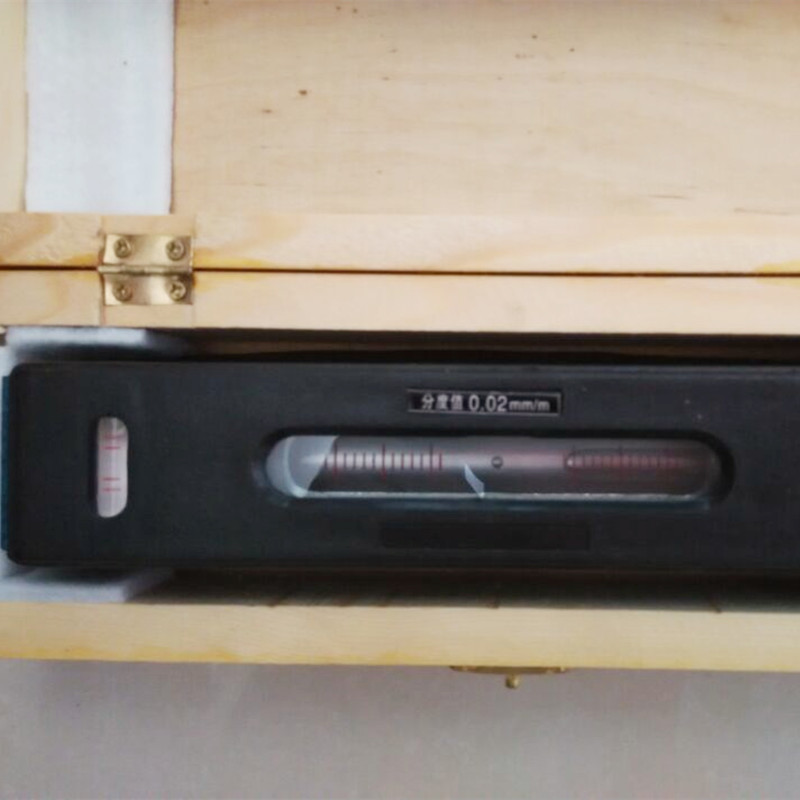
Using a Level to Create Accurate Markings on a Ruler
marking ruler with spirit level .
 English